
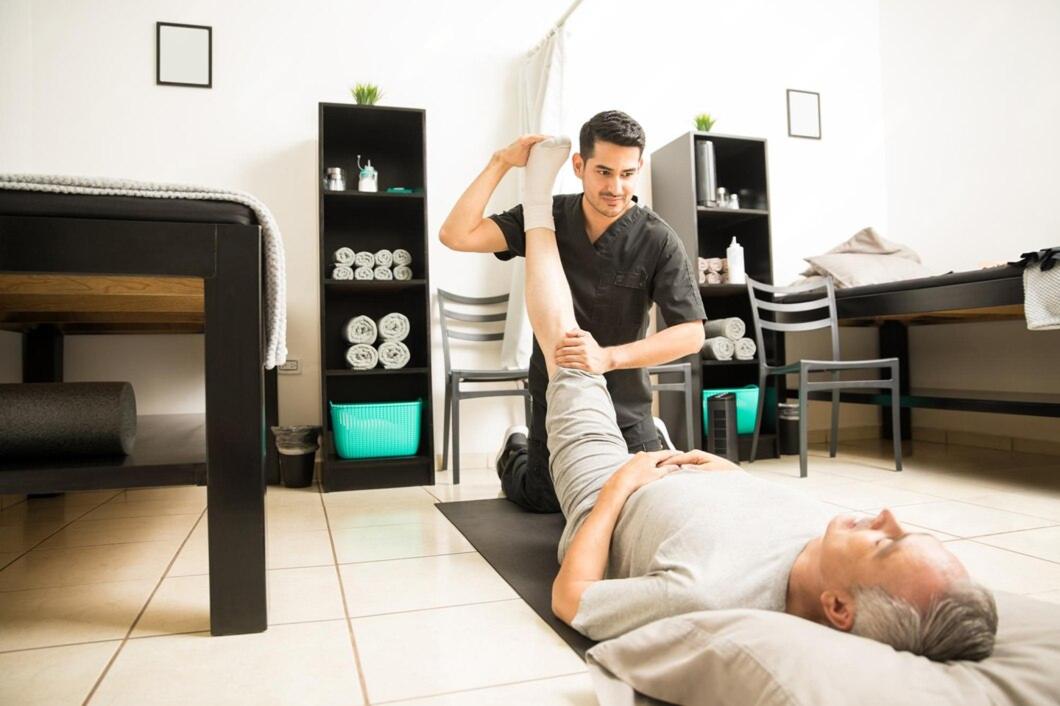
What to Expect at Your First Recovery Session in Miami
Starting a recovery session for the first time can feel unfamiliar, especially if you are unsure about the process, treatments, and expected outcomes. Whether you are an athlete, fitness enthusiast, or someone dealing with muscle tension or fatigue, recovery services are designed to support physical well-being and performance.
In Miami, recovery centers are increasingly becoming part of structured wellness routines. Understanding what happens during your first visit can help you feel more prepared and ensure you get the most out of the experience. This guide explains each step of the process, from preparation to post-session care, with a focus on clarity and practical insights.
Understanding Recovery Sessions
Recovery sessions are structured treatments aimed at helping the body repair, restore, and function more efficiently. These sessions may include a combination of therapies such as compression therapy, stretching, soft tissue work, and other recovery-focused techniques.
Unlike general spa treatments, recovery sessions are typically tailored to physical needs such as muscle soreness, reduced mobility, or post-training fatigue. Many facilities, including
Castle Athletics and Recovery, provide services designed to support both athletic performance and general physical health.
Why People Choose Recovery Sessions in Miami
Miami’s active lifestyle, combined with warm weather and outdoor fitness culture, leads many individuals to prioritize recovery as part of their routine.
Common reasons people seek recovery sessions include:
-
Muscle soreness after workouts
-
Limited flexibility or mobility
-
Recovery from minor injuries
-
Preparation for athletic events
-
General physical maintenance
Recovery is not limited to professional athletes. Individuals with desk-based jobs, active lifestyles, or chronic tension can also benefit from structured recovery sessions.
Preparing for Your First Recovery Session
Wear Comfortable Clothing
It is recommended to wear loose, comfortable clothing that allows easy movement. Some treatments may require access to specific muscle groups, so flexibility in clothing is helpful.
Stay Hydrated
Hydration plays an important role in recovery. Drinking water before your session helps improve circulation and supports the effectiveness of treatments.
Share Your Health and Activity History
Before beginning the session, you may be asked about your activity levels, previous injuries, and current concerns. Providing accurate information allows practitioners to tailor the session to your needs.
You can also review more about the team and their approach through
professional background information.
What Happens During Your First Session
Initial Assessment
The session usually begins with an assessment of your physical condition. This may include evaluating posture, movement patterns, and areas of discomfort.
The goal of this step is to identify imbalances, tight muscles, or restricted mobility that may require attention.
Customized Treatment Plan
Based on the assessment, a personalized recovery plan is created. This plan outlines the types of treatments that will be used during the session.
Common treatments may include:
-
Compression therapy
-
Assisted stretching
-
Soft tissue work
-
Mobility-focused exercises
You can explore the range of available options through
detailed recovery services.
Treatment Application
The main portion of the session involves applying the selected recovery techniques. Each treatment is performed with a specific purpose, such as improving circulation, reducing muscle tension, or increasing flexibility.
The intensity and duration of each technique are adjusted based on your comfort level and physical condition.
Feedback and Adjustments
During the session, practitioners may ask for feedback to ensure the treatments are effective and comfortable. Adjustments can be made in real time to better suit your needs.
Common Recovery Treatments Explained
|
Treatment Type |
Purpose |
Who It Benefits |
|---|---|---|
|
Compression Therapy |
Enhances blood circulation and helps reduce swelling |
Runners and individuals experiencing leg fatigue |
|
Assisted Stretching |
Improves flexibility and increases range of motion |
Athletes and people with sedentary (desk-based) lifestyles |
|
Soft Tissue Therapy |
Relieves muscle tension and reduces tightness |
Weightlifters and physically active individuals |
|
Mobility Work |
Supports better movement and overall functional performance |
Suitable for individuals of all fitness levels |
Each of these treatments plays a role in improving overall physical function and recovery.
How Long a Session Typically Lasts
Recovery sessions usually last between 30 to 90 minutes, depending on the selected treatments and individual needs. First-time sessions may take slightly longer due to the initial assessment and consultation.
The duration is structured to ensure that each treatment is applied effectively without overwhelming the body.
What You May Feel During the Session
During your first recovery session, you may experience a range of sensations depending on the treatments used.
These may include:
-
Mild pressure during soft tissue work
-
Gentle stretching sensations
-
Warmth or relaxation in targeted areas
-
Temporary discomfort in tight muscles
These sensations are generally normal and part of the recovery process. Communication with the practitioner is important to ensure comfort throughout the session.
Post-Session Expectations
Immediate Effects
After the session, many individuals report:
-
Reduced muscle tension
-
Improved mobility
-
A sense of physical relaxation
Delayed Effects
In some cases, mild soreness may occur within 24 hours. This is similar to post-workout soreness and usually resolves quickly.
Hydration and Rest
Drinking water and allowing time for rest after the session can enhance recovery outcomes. Avoiding intense physical activity immediately after the session may also be recommended.
Tracking Your Progress
Monitoring changes in mobility, flexibility, and overall comfort can help you understand the benefits of recovery sessions over time.
Visual examples of recovery outcomes can be explored through
recovery progress gallery, which provides insight into how consistent sessions can impact physical performance.
How Often Should You Schedule Sessions
The frequency of recovery sessions depends on your activity level and goals.
-
Active individuals may benefit from weekly sessions
-
Moderate activity levels may require sessions every two weeks
-
General maintenance may involve monthly visits
Scheduling can be adjusted based on how your body responds to treatment.
When to Consider Booking a Session
You may want to consider scheduling a recovery session if you experience:
-
Persistent muscle tightness
-
Reduced flexibility
-
Fatigue from regular physical activity
-
Difficulty recovering between workouts
If you are ready to begin, you can schedule a visit through
online appointment booking.
Common Misconceptions About Recovery Sessions
Recovery Is Only for Athletes
Recovery sessions are suitable for a wide range of individuals, not just athletes. Anyone experiencing physical strain can benefit.
Recovery Provides Immediate Results Only
While some benefits are immediate, long-term improvements come from consistency.
All Recovery Sessions Are the Same
Recovery sessions are highly individualized. Treatments are selected based on specific needs rather than a standard routine.
Tips for Getting the Most Out of Your First Session
-
Be honest about your physical condition and concerns
-
Stay hydrated before and after the session
-
Follow any post-session recommendations
-
Maintain consistency in scheduling sessions
These steps can help maximize the effectiveness of your recovery routine.
Conclusion
Your first recovery session in Miami is an opportunity to better understand your body’s needs and how targeted treatments can support overall physical health. By knowing what to expect before, during, and after the session, you can approach the experience with confidence and clarity.
Recovery is an ongoing process that complements physical activity. With consistent sessions and proper care, it becomes an essential part of maintaining performance, mobility, and long-term well-being.
Frequently Asked Questions
Is cupping therapy safe?
When performed by trained practitioners, cupping therapy is generally safe. Temporary skin discoloration and mild soreness are common but short-lived.
How long do the marks last?
Marks typically fade within a few days to a week, depending on individual circulation and skin sensitivity.
Does cupping therapy hurt?
Most people feel a pulling sensation rather than pain. Discomfort is usually mild and temporary.
Is cupping therapy for athletes different from general cupping?
The technique is similar, but treatment goals may focus more on recovery, performance optimization, and mobility in athletic settings.
How many sessions are needed?
The number of sessions varies depending on the individual’s condition and recovery goals.