
How Does Dry Needling Help with Chronic Muscle Pain?
Chronic muscle pain can significantly disrupt daily life affecting movement, workouts, sleep quality, and overall well-being. For individuals experiencing ongoing tightness, stiffness, or recurring muscle discomfort, conservative therapies often play a vital role in long-term relief. At Castle Athletics & Recovery, one increasingly recommended option is dry needling treatment, a targeted technique designed to release muscular trigger points and restore efficient movement.
This article from Castle Athletics & Recovery explores how dry needling works, how it supports effective recovery therapy, the conditions it may help address, and what patients can expect during the treatment process.
Understanding Chronic Muscle Pain
Chronic muscle pain is defined as muscular discomfort lasting longer than three months. Unlike acute pain that results from a recent injury, chronic pain often develops gradually and may be linked to:
- Repetitive strain
- Postural imbalances
- Overuse injuries
- Sedentary lifestyle patterns
- Previous untreated injuries
- Sports-related stress
Over time, muscle fibers can develop areas of tightness known as trigger points. These trigger points may cause localized pain or refer discomfort to other parts of the body.
What Is Dry Needling Treatment?
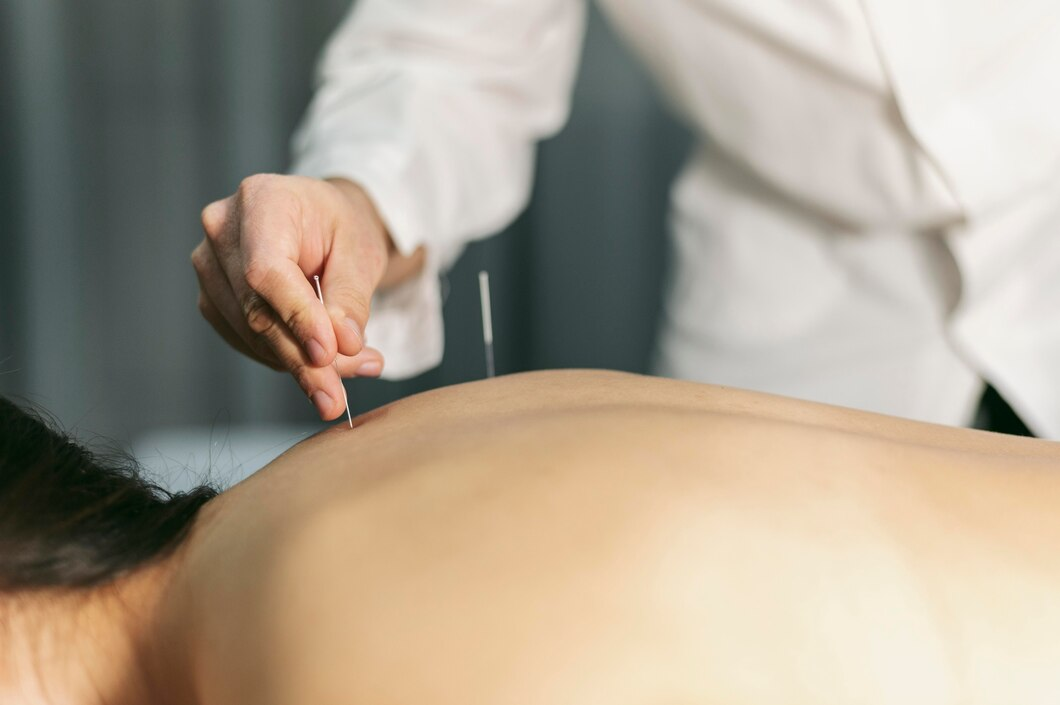
Dry needling treatment is a technique performed by trained healthcare professionals. It involves inserting thin, sterile needles into specific muscular trigger points to release tension and restore normal muscle function.
Despite the similarity in appearance, dry needling is different from acupuncture. Acupuncture is based on traditional Chinese medicine principles, while dry needling is rooted in modern anatomy, neurology, and musculoskeletal science.
The term “dry” refers to the absence of medication in the needle. The therapeutic effect comes from mechanical stimulation of the affected tissue.
How Dry Needling Works
1. Targeting Trigger Points
Trigger points are hyperirritable spots within tight muscle bands. When a needle is inserted into these areas, it may produce a brief local twitch response. This reaction indicates that the muscle fibers are responding to stimulation.
2. Improving Blood Flow
Chronic muscle tightness often restricts circulation. Needle insertion helps increase localized blood flow, delivering oxygen and nutrients that support tissue repair.
3. Reducing Nerve Sensitivity
Persistent muscle pain can lead to heightened sensitivity in surrounding nerves. Dry needling treatment may help regulate abnormal nerve signaling, reducing pain perception.
4. Releasing Muscle Tension
Mechanical stimulation helps reset muscle tone. This release improves flexibility and restores a more natural movement pattern.
The Role of Dry Needling in Recovery Therapy
Dry needling recovery therapy is often integrated into a broader rehabilitation plan. It is rarely used in isolation. Instead, it complements other techniques such as:
- Corrective exercise programs
- Manual therapy
- Mobility work
- Strength training
- Postural re-education
At facilities like Castle Athletics & Recovery, dry needling is typically part of a structured approach aimed at addressing the underlying cause of chronic pain rather than only managing symptoms.
Conditions Commonly Addressed with Dry Needling
Dry needling treatment may be considered for various musculoskeletal conditions, including:
- Chronic neck and shoulder tension
- Lower back pain
- Sciatica-related muscle tightness
- Tendinopathy
- Rotator cuff strain
- Hip pain
- Plantar fasciitis
- Sports-related overuse injuries
The suitability of this therapy depends on individual assessment and clinical findings.
What Happens During a Session?
Understanding the process can help reduce uncertainty before beginning treatment.
Initial Assessment
A qualified practitioner evaluates:
- Pain history
- Movement limitations
- Muscle imbalances
- Postural alignment
- Functional limitations
This assessment determines whether dry needling recovery therapy is appropriate.
The Procedure
- A sterile, thin needle is inserted into a trigger point.
- The needle may be gently manipulated.
- A twitch response may occur.
- Needles are typically left in place for a short duration.
Most patients describe the sensation as mild discomfort rather than sharp pain.
Aftercare
Post-session effects may include:
- Temporary soreness
- Mild fatigue
- Improved mobility
- Reduced muscle tightness
Hydration and light movement are usually recommended after treatment.
Benefits of Dry Needling for Chronic Muscle Pain
Below is a summary of potential benefits associated with dry needling treatment:
| Benefit | How It Helps Chronic Pain |
| Reduced muscle tightness | Releases trigger points and restores flexibility |
| Improved circulation | Supports tissue healing and oxygen delivery |
| Decreased pain sensitivity | Helps regulate abnormal nerve activity |
| Increased range of motion | Enhances functional movement |
| Supports rehabilitation | Complements exercise and manual therapy |
While outcomes vary, many individuals report measurable improvements when dry needling recovery therapy is integrated into a structured care plan.
How Many Sessions Are Needed?
The number of sessions depends on:
- Severity of muscle tightness
- Duration of chronic pain
- Individual response to treatment
- Underlying biomechanical issues
Some individuals notice improvement after one or two sessions, while others benefit from a series of treatments combined with corrective exercises.
Practitioners may recommend follow-up visits through the clinic’s Services page to outline a personalized plan.
Is Dry Needling Safe?
When performed by properly trained professionals, dry needling treatment is generally considered safe.
Common side effects include:
- Mild soreness
- Minor bruising
- Temporary fatigue
Serious complications are rare but depend on practitioner expertise and proper anatomical knowledge. This is why treatment should only be performed in a licensed clinical setting.
Dry Needling vs. Other Therapies
Dry Needling vs. Massage Therapy
Massage therapy works broadly across muscle groups. Dry needling targets specific trigger points at a deeper level.
Dry Needling vs. Acupuncture
Acupuncture focuses on energy meridians based on traditional Chinese medicine. Dry needling focuses on musculoskeletal anatomy and trigger points.
Dry Needling vs. Physical Therapy
Dry needling is often used within physical therapy. It is a tool rather than a complete treatment plan.
The Science Behind Dry Needling
Research suggests that dry needling may:
- Decrease inflammatory markers
- Improve muscle activation patterns
- Reduce central sensitization in chronic pain
- Enhance neuromuscular coordination
Chronic muscle pain is often multifactorial, meaning multiple systems contribute to discomfort. Dry needling recovery therapy works by addressing one important factor: dysfunctional muscle tissue.
Who May Benefit Most?
Dry needling treatment may be particularly helpful for:
- Athletes managing repetitive strain
- Individuals with desk-based jobs
- Patients recovering from musculoskeletal injuries
- People experiencing long-standing muscle stiffness
An individualized assessment is essential before beginning therapy. Appointments can typically be scheduled through the clinic’s Book an Appointment page.
Integrating Dry Needling into a Long-Term Plan
For chronic muscle pain, short-term relief is not always enough. Sustainable improvement often requires:
- Identifying movement dysfunction
- Addressing muscular imbalances
- Building strength in weak areas
- Improving posture and mechanics
- Maintaining mobility
Dry needling recovery therapy can help reduce pain enough to allow patients to engage more effectively in strengthening and corrective exercises.
Clinics such as Castle Athletics & Recovery often integrate therapeutic techniques within a comprehensive recovery framework that emphasizes functional improvement rather than symptom suppression.
When to Avoid Dry Needling
Dry needling may not be suitable for individuals who:
- Have bleeding disorders
- Are on certain anticoagulant medications
- Have severe needle phobia
- Are experiencing active infection in the treatment area
- Are pregnant, depending on the location of needling
A full medical history should always be discussed during consultation. Patients can use the Contact page to clarify eligibility or ask preliminary questions.
Expected Results and Timeline
Most individuals experience one or more of the following after dry needling treatment:
- Immediate reduction in muscle tightness
- Improved flexibility
- Decreased pain intensity
- Enhanced range of motion
Long-term improvements depend on addressing contributing factors such as posture, repetitive stress, and muscle imbalance.
Final Thoughts
Chronic muscle pain can significantly limit quality of life and physical performance. Dry needling treatment offers a targeted approach to addressing muscular trigger points, improving circulation, and reducing nerve sensitivity.
When incorporated into a comprehensive rehabilitation strategy, dry needling recovery therapy may help restore movement, reduce discomfort, and support long-term musculoskeletal health. As with any clinical intervention, professional evaluation is essential to determine suitability and ensure safe, effective care.
Frequently Asked Questions
Is dry needling painful?
Most people report mild discomfort during insertion, especially when a trigger point is activated. The sensation typically subsides quickly.
How is dry needling recovery therapy different from acupuncture?
Dry needling is based on musculoskeletal anatomy and trigger point science, while acupuncture is based on traditional Chinese medicine concepts.
How long does a session take?
A session typically lasts between 20 and 45 minutes, depending on the number of trigger points treated and whether it is combined with other therapies.
Can dry needling treat all types of chronic pain?
Dry needling treatment is most effective for muscular and myofascial pain. It may not address pain caused by structural joint damage or systemic conditions without additional treatment approaches.
How soon can I return to exercise?
Light activity is usually permitted shortly after treatment. Intense exercise may be postponed for 24 hours if soreness occurs.