
Cupping Therapy Explained: Benefits, Myths & Results
Cupping therapy has gained renewed attention in recent years, particularly in sports recovery and musculoskeletal care. While the circular marks often seen on athletes have sparked curiosity, the practice itself is rooted in long-standing therapeutic principles focused on circulation, soft tissue mobility, and pain management.
This article provides a detailed explanation of cupping therapy, how it works, its potential benefits, common misconceptions, and what results individuals can realistically expect. It also explores the role of cupping therapy for athletes and how it may complement structured recovery programs.
What Is Cupping Therapy?
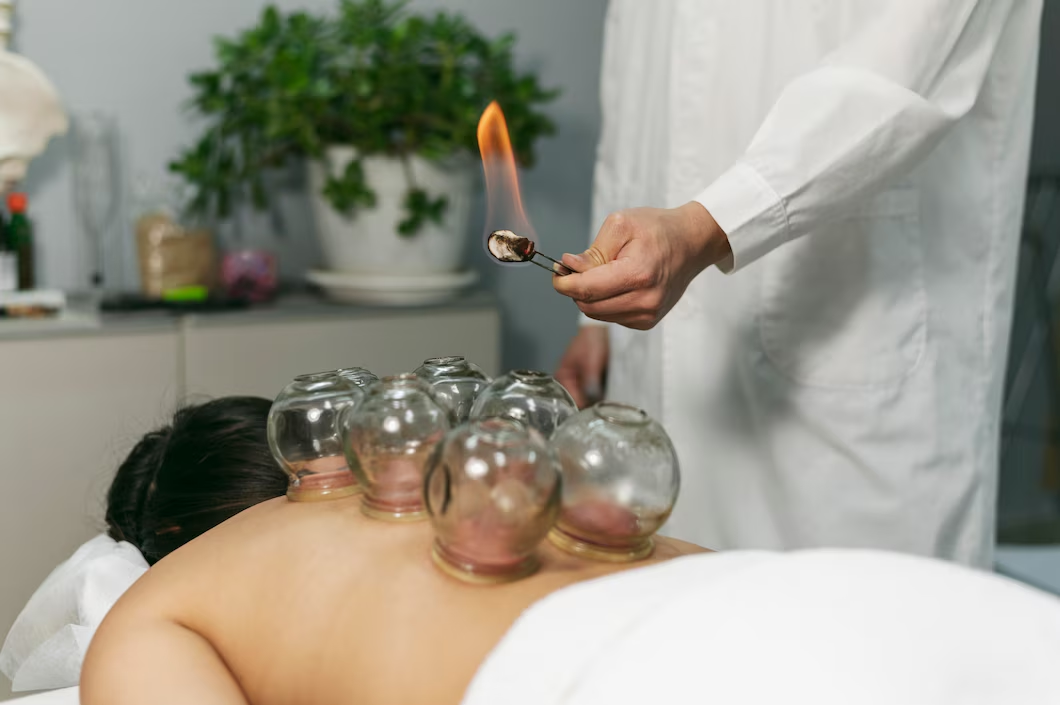
Cupping therapy is a soft tissue technique that involves placing specialized cups on the skin to create controlled suction. This suction lifts the superficial layers of tissue, which may help improve circulation, reduce muscle tightness, and support mobility.
Unlike massage, which applies downward pressure into tissues, cupping gently lifts tissue upward. This decompression effect distinguishes it from other manual therapies.
Cupping therapy is commonly offered in clinical recovery settings such as Castle Athletics & Recovery, where it may be integrated with other rehabilitation services.
Types of Cupping Therapy
There are several approaches to cupping therapy. The method used depends on treatment goals and individual needs.
Dry Cupping
Dry cupping is the most common form in sports and rehabilitation settings. A cup is placed on the skin, suction is applied, and the cup remains in place for several minutes.
Dynamic Cupping
In dynamic cupping, oil or lotion is applied and the cup is moved along muscle groups after suction is created. This allows practitioners to target broader areas of restriction.
Stationary Cupping
Stationary cupping involves placing cups on specific trigger points or tight areas for a fixed period without movement.
In modern recovery clinics, cupping therapy is typically performed using medical-grade silicone or plastic cups rather than traditional glass or fire-based methods.
How Cupping Therapy Works
Cupping therapy creates negative pressure on the surface of the skin. This suction produces several physiological responses:
1. Increased Blood Flow
The suction effect encourages blood circulation in the treated area. Improved circulation may support tissue oxygenation and metabolic waste removal.
2. Fascial Decompression
Fascia is connective tissue that surrounds muscles. Restrictions in fascia can contribute to stiffness and discomfort. Cupping gently lifts fascial layers, potentially improving glide and flexibility.
3. Nervous System Modulation
Mechanical stimulation from cupping may influence the nervous system by reducing heightened pain signals in localized areas.
4. Muscle Relaxation
By reducing tissue restriction and improving circulation, cupping therapy may help decrease muscle tension and improve range of motion.
Cupping Therapy for Athletes
Cupping therapy for athletes has become increasingly common in professional and recreational sports. Athletes often use it as part of a broader recovery strategy.
Why Athletes Consider Cupping
Athletes place repetitive stress on their bodies through training and competition. Over time, this can result in:
- Muscle tightness
- Reduced flexibility
- Localized inflammation
- Delayed recovery
Cupping therapy for athletes may help address these issues by supporting circulation and tissue mobility.
Potential Benefits for Athletic Performance
While research continues to evolve, cupping therapy may support:
- Faster post-exercise recovery
- Improved joint range of motion
- Temporary reduction in muscle soreness
- Enhanced soft tissue mobility
At clinics offering structured rehabilitation, such as those listed on the Services page, cupping therapy is typically integrated with strength and mobility programs.
Common Conditions Addressed with Cupping Therapy
Cupping therapy may be considered for various musculoskeletal concerns, including:
- Chronic back pain
- Neck and shoulder tension
- Hip tightness
- Hamstring strain
- Plantar fasciitis
- Tendinopathy
- Sports-related overuse injuries
A proper assessment is important to determine suitability before beginning treatment.
What to Expect During a Cupping Session
Understanding the process can help reduce uncertainty.
Initial Consultation
A practitioner evaluates:
- Pain history
- Movement limitations
- Activity level
- Previous injuries
- Treatment goals
If appropriate, cupping therapy may be included in the session.
During the Procedure
- Cups are placed on targeted areas.
- Suction is created manually or with a pump.
- Cups remain in place for several minutes.
- In dynamic cupping, cups may be moved along muscle groups.
Patients typically feel a pulling sensation but not sharp pain.
After the Session
Circular marks may appear where the cups were placed. These marks are not bruises in the traditional sense. They are usually temporary and fade within several days.
Mild soreness may occur, similar to post-massage tenderness.
Appointments can typically be scheduled through the Book an Appointment page.
Benefits of Cupping Therapy
Below is a summary of potential benefits associated with cupping therapy:
|
Key Benefits |
How It Helps |
|
Improved blood flow |
Boosts oxygen delivery and supports quicker tissue repair |
|
Relieves muscle tightness |
Reduces tension and enhances flexibility |
|
Increased mobility |
Helps improve range of motion and ease of movement |
|
Nervous system support |
May lower pain sensitivity and promote calmness |
|
Recovery enhancement |
Complements rehabilitation and strength training routines |
|
Stress reduction |
Supports relaxation and overall mental well-being |
Individual results vary depending on condition severity and overall treatment strategy.
Myths About Cupping Therapy
Despite its growing popularity, several misconceptions persist.
Myth 1: Cupping Is Only for Elite Athletes
While cupping therapy for athletes is common, non-athletes may also benefit from improved mobility and muscle relaxation.
Myth 2: The Marks Mean Tissue Damage
The circular marks are caused by suction and increased blood flow. They are generally superficial and temporary.
Myth 3: Cupping Replaces Rehabilitation
Cupping therapy is not a replacement for structured rehabilitation or corrective exercise. It is typically one component of a comprehensive care plan.
Myth 4: It Is Extremely Painful
Most individuals report mild to moderate pressure rather than intense pain.
Comparing Cupping Therapy to Other Techniques
Cupping vs Massage
Massage applies compressive pressure into tissues. Cupping creates decompressive lifting of tissue.
Cupping vs Dry Needling
Dry needling targets trigger points with thin needles. Cupping therapy focuses on suction-based tissue mobilization.
Cupping vs Foam Rolling
Foam rolling is self-administered compression. Cupping is clinician-guided and may reach deeper fascial restrictions.
Safety and Considerations
When performed by trained professionals, cupping therapy is generally considered safe.
Common side effects include:
- Temporary circular marks
- Mild soreness
- Skin sensitivity
Cupping may not be suitable for individuals with:
- Certain blood disorders
- Skin infections in the treatment area
- Severe circulatory conditions
A thorough consultation is recommended. Questions can typically be directed through the Contact page.
How Often Should Cupping Be Done?
The frequency of cupping therapy depends on:
- Treatment goals
- Severity of muscle tightness
- Training intensity
- Overall rehabilitation plan
Some individuals receive cupping weekly during intense training phases. Others use it periodically for maintenance.
Integrating Cupping into a Long-Term Recovery Plan
For lasting improvement, cupping therapy should be part of a broader approach that may include:
- Strength training
- Mobility work
- Movement correction
- Postural adjustments
- Load management
Facilities such as Castle Athletics & Recovery typically incorporate cupping therapy within structured recovery and performance-focused programs.
Conclusion
Cupping therapy is a soft tissue technique designed to improve circulation, reduce muscular tension, and enhance mobility. Its growing popularity, particularly cupping therapy for athletes, reflects its role within modern recovery and rehabilitation programs.
While it is not a standalone solution for chronic pain or performance limitations, cupping therapy may support structured recovery plans when combined with movement correction, strengthening, and individualized care. As with any therapeutic intervention, professional evaluation ensures appropriate application and safe outcomes.
Frequently Asked Questions
Is cupping therapy safe?
When performed by trained practitioners, cupping therapy is generally safe. Temporary skin discoloration and mild soreness are common but short-lived.
How long do the marks last?
Marks typically fade within a few days to a week, depending on individual circulation and skin sensitivity.
Does cupping therapy hurt?
Most people feel a pulling sensation rather than pain. Discomfort is usually mild and temporary.
Is cupping therapy for athletes different from general cupping?
The technique is similar, but treatment goals may focus more on recovery, performance optimization, and mobility in athletic settings.
How many sessions are needed?
The number of sessions varies depending on the individual’s condition and recovery goals.